
If you have chronic kidney disease (CKD), controlling sodium intake is one of the most effective ways to protect your kidney function and manage blood pressure. Most kidney patients need to limit sodium to between 1,000 and 2,300 milligrams (mg) daily, depending on their CKD stage. This guide explains exactly how much sodium is safe for you based on your kidney health stage, which foods to watch out for, and practical strategies to reduce salt without losing flavour in your meals.
Why Sodium Control Matters for Kidney Patients
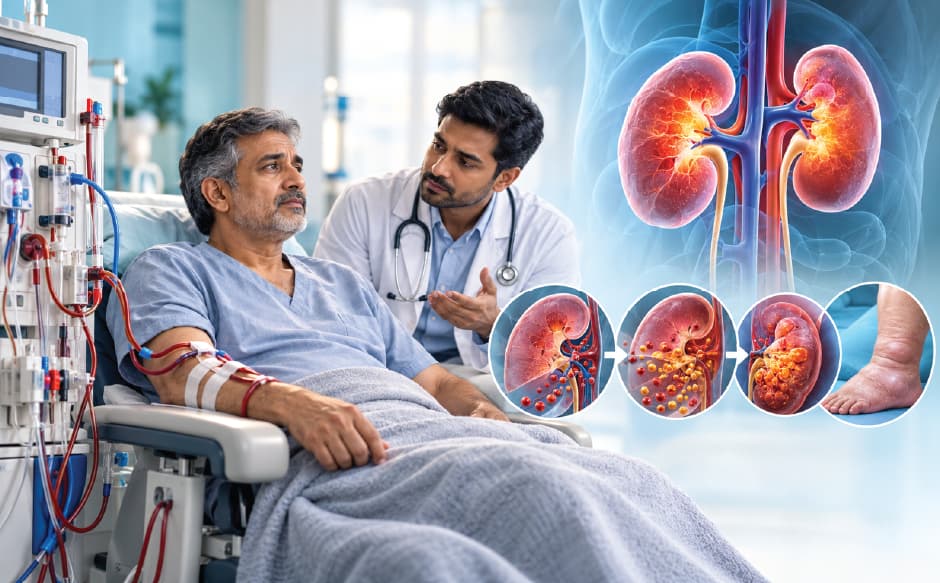
When your kidneys are healthy, they filter excess sodium from your blood and excrete it through urine. With CKD, this filtering ability declines, and sodium accumulates in your body. High sodium levels trigger two dangerous effects: they raise blood pressure and cause fluid retention (swelling in legs, ankles, and face). Both of these accelerate kidney damage and increase your risk of heart disease and stroke.
Managing sodium is therefore not just about comfort, it directly slows the progression of kidney disease. Studies show that patients who reduce sodium intake experience slower decline in kidney function and better blood pressure control, even with medication. Think of sodium restriction as a protective barrier that gives your remaining kidney function more time to work effectively. Your nephrologist will recommend a sodium target based on your specific CKD stage, any fluid overload, and your blood pressure status. Following this limit is one of the few dietary interventions you fully control.
How Kidneys Handle Sodium and Why It Goes Wrong
Sodium is an electrolyte that helps regulate fluid balance, nerve signals, and muscle function. In a healthy person, the kidneys maintain a delicate sodium balance by filtering it from the blood into urine. Your body excretes about 40 mmol (roughly 900 mg) of sodium daily through normal bodily functions. The remaining dietary sodium is excreted through urine.
When kidney disease develops, whether from diabetes, high blood pressure, or other causes, the nephrons (tiny filtering units) gradually lose their ability to filter sodium efficiently. As your glomerular filtration rate (GFR), which measures kidney function, declines, sodium and fluid begin to accumulate. This accumulation raises blood pressure and makes your heart work harder, which in turn damages the kidneys further in a vicious cycle. By understanding this mechanism, you can see why even small reductions in sodium intake have a measurable, protective effect. Your kidneys cannot 'catch up' if you consume too much salt, so limiting intake from the start, especially in early CKD stages, prevents the worst complications.
Daily Sodium Guidelines by CKD Stage
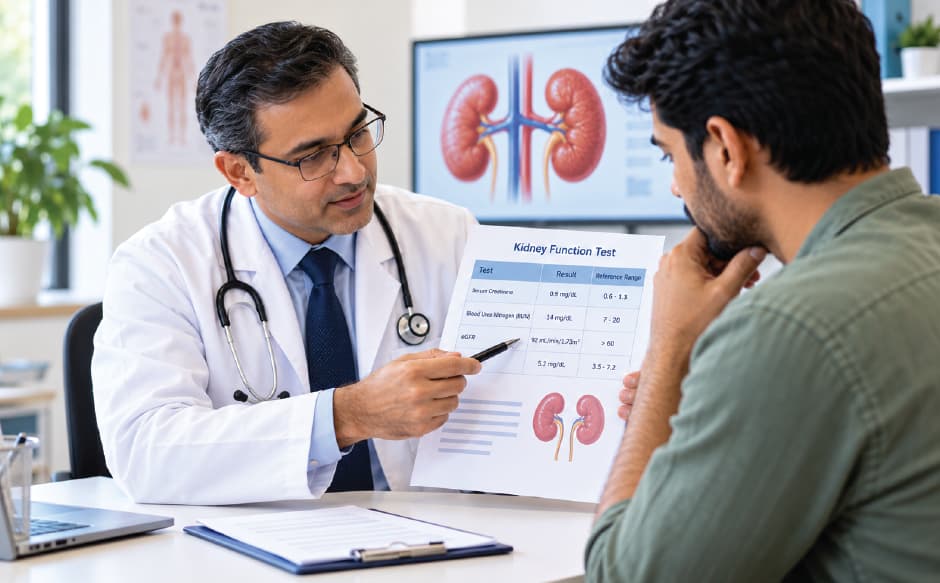
Sodium targets differ based on your CKD stage, which is determined by your GFR (a measure of how well your kidneys filter waste). The five CKD stages range from Stage 1 (minimal kidney damage) to Stage 5 (kidney failure requiring dialysis). General guidelines are:
Stage 1-2 (GFR ≥60): Aim for less than 2,300 mg sodium daily (equivalent to about 1 teaspoon of table salt). At this early stage, kidney function is only mildly reduced, so preventing sodium accumulation delays disease progression.
Stage 3a-3b (GFR 30-59): Reduce to 1,500-2,000 mg daily. Moderate kidney damage means more sodium retention; stricter limits help prevent fluid overload and hypertension.
Stage 4 (GFR 15-29): Keep sodium to 1,000-1,500 mg daily. Advanced kidney disease requires careful sodium control to manage swelling and blood pressure without medications alone.
Stage 5 (GFR <15, on dialysis): Work closely with your renal dietitian; limits may be 500-1,000 mg daily depending on your dialysis schedule and residual kidney function. Dialysis removes some sodium, but excess dietary intake still causes post-dialysis weight gain and blood pressure spikes.
These are general targets; your nephrologist may adjust based on your blood pressure, fluid status, and other health conditions.
Foods High in Sodium Kidney Patients Should Limit
The biggest sources of dietary sodium are not table salt but processed and prepared foods. Most people consume 3,400-4,700 mg daily without realizing it. Kidney patients must identify and reduce these hidden sources:
| Food Category | Examples | Sodium per serving |
|---|---|---|
| Cured/processed meats | Bacon, ham, sausage, deli meats | 300-800 mg |
| Bread & cereals | White bread, most commercial cereals | 100-350 mg |
| Soups (canned/packet) | Chicken noodle, vegetable soups | 700-1,200 mg |
| Condiments | Soy sauce, ketchup, mustard, salad dressings | 100-500 mg per tablespoon |
| Cheese & dairy | Hard cheeses, flavoured yoghurts | 150-450 mg per serving |
| Snacks | Chips, salted nuts, crackers | 200-600 mg per handful |
| Frozen meals | Ready-to-eat dinners, frozen vegetables with sauce | 400-1,200 mg |
| Pickled & canned items | Olives, pickles, canned fish | 300-800 mg |
Read food labels carefully. Aim for products with less than 140 mg sodium per serving ("low sodium") or less than 400 mg per serving for larger meals. Fresh fruits, vegetables, beans cooked at home, and unsalted nuts are naturally low in sodium and kidney-safe.


Practical Tips for Reducing Sodium in Your Diet
Cutting sodium does not mean eating bland food. Use these strategies to add flavour while staying within your limit:
Cook at home whenever possible. Restaurant and takeaway meals contain 2-3 times more sodium than home-cooked equivalents. When you cook, you control the salt.
Use salt-free seasonings. Garlic powder, onion powder, lemon juice, vinegar, cumin, coriander, ginger, and fresh herbs (cilantro, parsley, mint) add depth without sodium. Avoid seasoning salt blends and monosodium glutamate (MSG).
Rinse canned vegetables and beans. If you use canned items, drain and rinse them under running water to remove 20-40% of the sodium.
Check labels for "low sodium" or "no salt added" versions. These are widely available in Indian grocery stores and supermarkets across Kolkata and major cities.
Choose fresh over processed. Buy fresh chicken, fish, and vegetables rather than packaged versions. Frozen vegetables without sauce are also acceptable.
Limit high-sodium condiments. Use soy sauce, tamarind paste, and chutneys sparingly, or switch to low-sodium alternatives. Mango powder (amchur) adds tanginess without salt.
Ask restaurants to prepare food without added salt. Many restaurants in Kolkata and other cities are now accommodating dietary requests when asked in advance.
Involve your family. When the whole household eats lower-sodium meals, you do not feel singled out and food preparation is simpler.
Choosing where to get kidney care: what Rameswara Nursing Home offers
If you or a family member has kidney disease, the diet advice above works best with a nephrologist who can see your reports and follow your progress. Many families in Kolkata tell us they want three things: expert opinion, clear costs, and everything in one place. This is how Rameswara Nursing Home in Ultadanga approaches each of them.
Kidney care under one roof
The Urology & Nephro department treats chronic kidney disease, kidney stones, prostate problems and urinary infections. It also provides dialysis support. Most of what a kidney patient needs is available in the same building:
- An in-house dialysis unit
- Kidney function tests, urine analysis, ultrasound (KUB) and a pathology lab
- Operation theatres and an 8-bed ICU
- An on-call urology and nephrology team, with emergency cover 24/7
Most routine reports are ready the same day. That means your doctor can review your kidney function and adjust your sodium target without a long wait.
Costs that are easier to plan for
Kidney disease is a long-term condition, so cost matters as much as clinical quality. Rameswara Nursing Home offers general, semi-private and private wards, so families can pick the level of comfort that suits their budget. The tariff is published on the website. The billing desk works with many insurers and TPAs for cashless treatment and helps with pre-authorisation and claims. Cash and card payments are also accepted.
Experience and standards
The hospital's website states 35+ years of service and 50,000+ patients treated. It is NABH-accredited, and the department lists 11 consultants. We would rather show you these facts than call ourselves "the best." Patients and independent accreditation bodies are better placed to say that.
If you are travelling from outside Kolkata or from abroad
You don't need to arrive without preparation. Send your previous reports, prescriptions and current medicines by WhatsApp or email before you travel. The team can then guide you to the right specialist and tell you what to expect. The hospital is at P-155 C.I.T. Scheme VII-M, Ultadanga, near HUDCO More.
Not sure what your sodium target should be? Chat with our assistant.
Medical disclaimer: This article is for general information and does not replace advice from a qualified doctor. Sodium needs vary with your kidney function, medicines and other conditions. Do not change your diet, fluids or medicines without consulting your nephrologist. In an emergency, call +91 80176 06060 or go to the nearest emergency department.