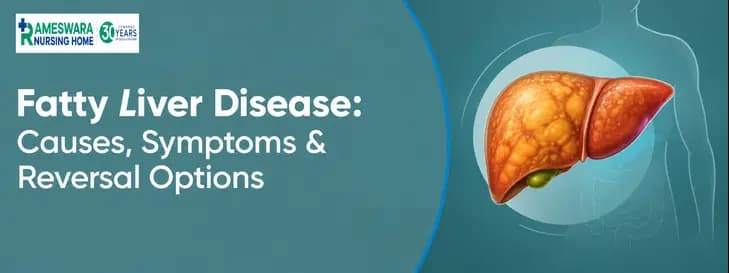

Fatty liver disease is a silent condition that affects millions worldwide, yet many people don't realise they have it until advanced stages develop. Your liver stores fat naturally, but when fat makes up more than 5% of your organ's weight, it becomes a health concern that requires attention. The good news: this condition is often reversible when caught early and managed with the right strategy.
This guide explains what fatty liver disease is, which symptoms deserve attention, how a "grade" differs from a fibrosis stage, which tests matter, and what treatment looks like in 2026, including the newly approved drugs.
Quick answer: Fatty liver disease means excess fat has built up inside liver cells. Most cases are now called MASLD (metabolic dysfunction-associated steatotic liver disease) and are linked to obesity, diabetes and insulin resistance rather than alcohol. Found early, it is largely reversible. Left alone, it can inflame (MASH), scar and eventually cause cirrhosis
What Is Fatty Liver Disease and Why It Matters
Fatty liver disease occurs when excess fat builds up inside liver cells. Most cases are now classified as metabolic dysfunction-associated steatotic liver disease (MASLD), which is commonly linked to obesity, type 2 diabetes, insulin resistance, high blood pressure and abnormal cholesterol levels.
The terminology changed in 2023. The condition previously known as non-alcoholic fatty liver disease (NAFLD) is now called MASLD. When metabolic risk factors coexist with higher levels of alcohol consumption, the condition may be classified as metabolic dysfunction-associated steatotic liver disease and increased alcohol intake (MetALD). A doctor considers both metabolic health and alcohol intake when assessing the cause.
Types of Fatty Liver Disease
- MASLD: Excess liver fat alongside at least one metabolic risk factor, such as obesity, diabetes or high blood pressure. It was previously called NAFLD.
- MASH: A more advanced form involving liver fat, inflammation and liver-cell injury. It was previously called NASH.
- MetALD: Liver disease associated with metabolic risk factors and alcohol intake above the threshold used to classify MASLD.
The Stages of Fatty Liver Disease
Fatty liver disease can progress from fat accumulation to inflammation, scarring and, in some cases, cirrhosis. However, not everyone progresses through every stage, and early intervention can help prevent further liver damage.
-
Simple fatty liver (steatosis): Fat accumulates in liver cells without significant inflammation or liver-cell injury. This stage is often reversible with sustained lifestyle changes and management of metabolic risk factors.
-
MASH: Fat accumulation is accompanied by inflammation and liver-cell damage. Appropriate treatment and metabolic risk management can improve liver health and, in some cases, reverse the damage.
-
Fibrosis: Persistent inflammation can cause scar tissue to develop. Early fibrosis may regress with treatment, although advanced scarring is more difficult to reverse.
-
Cirrhosis: Extensive scarring alters the liver's structure and function. Although established cirrhosis is generally not fully reversible, treatment can slow progression and reduce complications.
Identifying fatty liver disease early is important because symptoms may be absent in the initial stages. Medical evaluation helps determine the extent of liver damage and guides the next steps in treatment.
Fatty Liver Symptoms: Why Most People Feel Nothing
Most people with MASLD have no symptoms, and even people with MASH may stay symptom-free for years. When symptoms do appear, they are vague:
- Persistent tiredness or weakness that rest does not fix
- A dull ache or fullness in the upper right abdomen
- Unexplained weight loss
- A widening waistline, which reflects visceral fat even when weight on the scale looks acceptable
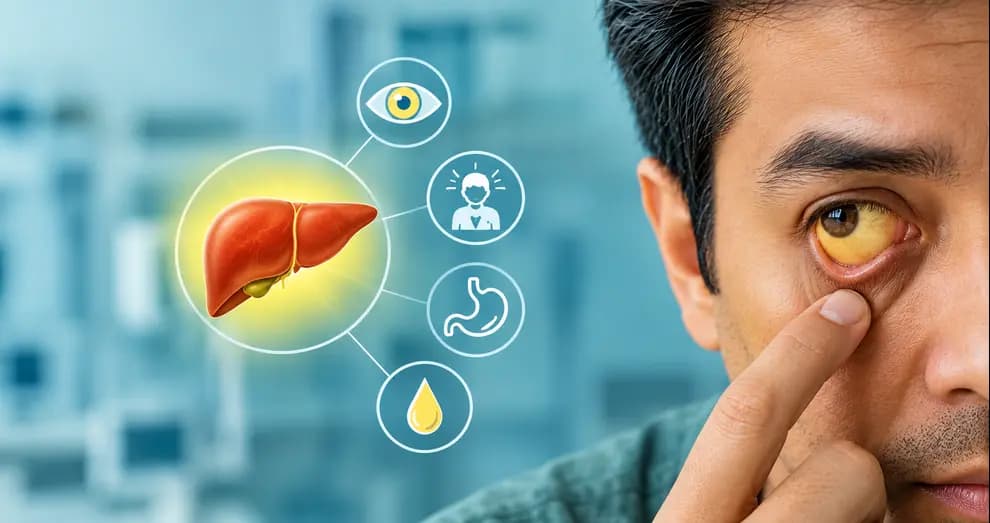
Advanced disease can bring swelling in the legs or abdomen, yellow eyes or skin, easy bruising and confusion. Vomiting blood or passing black stools needs emergency care the same day. Pain alone is a poor guide: many people with significant fatty liver feel nothing, and abdominal pain often has other causes.
What Causes Fatty Liver Disease? Risk Factors in Indian Adults
Obesity was the strongest driver: adults with class II obesity had nearly 14 times the odds of MASLD compared with normal-weight adults, and diabetes more than doubled the risk. Diabetes is the biggest red flag.
| Risk factor | Why it matters | What to do |
|---|---|---|
| Central obesity | Visceral fat feeds fat deposits in the liver | Track waist, not just weight |
| Type 2 diabetes / prediabetes | Insulin resistance drives liver fat | Test HbA1c; ask for a liver check |
| High cholesterol / triglycerides | Common companion of MASLD | Annual lipid profile |
| High blood pressure | Part of the same metabolic cluster | Control it; it protects the heart too |
| Menopause | The study linked post-menopausal status to higher risk | Screen after menopause |
| Sedentary desk work | Low muscle activity worsens insulin resistance | Break up sitting; add walking |
How Is Fatty Liver Diagnosed?
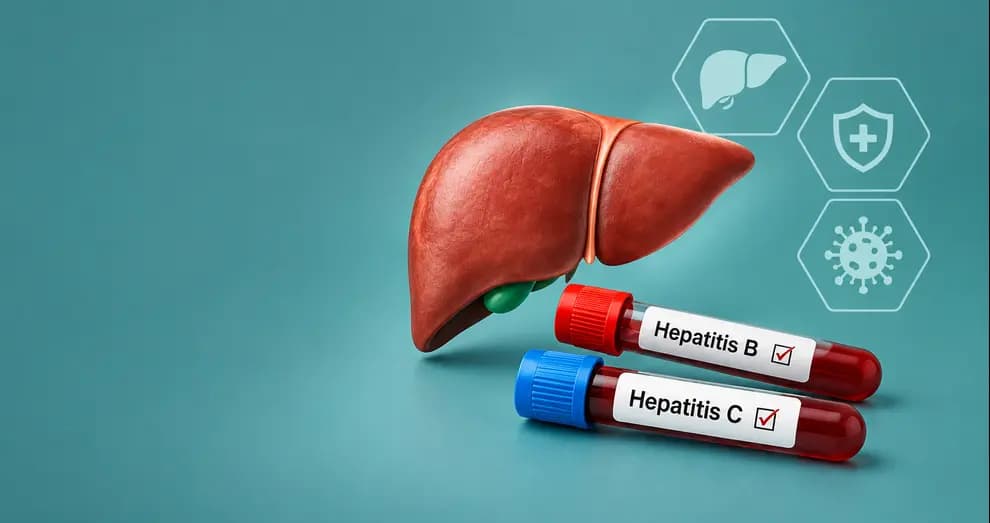
Doctors usually suspect fatty liver from raised liver enzymes or fat on an ultrasound. They then rule out other causes of liver fat, including heavy drinking, certain medicines and other liver diseases such as hepatitis B and C.
The diagnostic process may include the following tests, depending on the patient's symptoms, medical history and initial findings.
-
Liver function tests (ALT and AST): These blood tests help identify possible liver-cell injury or inflammation. However, normal enzyme levels do not rule out fatty liver disease or advanced fibrosis.
-
Blood sugar and cholesterol tests: Fasting glucose, HbA1c and a lipid profile help identify diabetes, insulin resistance and abnormal cholesterol levels that may contribute to MASLD.
-
Abdominal ultrasound: This imaging test can detect fat accumulation in the liver and may describe it as grade 1, 2 or 3. However, it cannot reliably determine the extent of liver scarring or inflammation.
-
FIB-4 score: Calculated using age, AST, ALT and platelet count, this score helps estimate the risk of advanced liver fibrosis using routine blood test results.
-
FibroScan (transient elastography): This non-invasive test measures liver stiffness to assess possible scarring and uses the controlled attenuation parameter (CAP) to estimate liver fat.
-
Viral hepatitis markers: Blood tests for hepatitis B and C help exclude other causes of liver disease when clinically indicated.
-
Liver biopsy: In selected cases, a small liver tissue sample is examined to assess inflammation, liver-cell injury and fibrosis. It is generally reserved for situations where non-invasive tests do not provide a clear answer or further confirmation is needed.
The key is to assess both liver fat and the risk of scarring. A doctor may combine blood tests, imaging and fibrosis assessment to determine the severity of the condition and recommend appropriate monitoring or treatment.


Fatty Liver Treatment: What Actually Works
Fatty liver treatment focuses on reducing liver fat, controlling metabolic risk factors and preventing further damage. The most effective approach combines sustainable weight loss, practical dietary changes and regular physical activity, with medical treatment when needed.
Weight loss is the strongest lever
Weight loss of 5% or more typically clears liver fat, 7% or more improves inflammation, and 10% or more can regress fibrosis in a substantial share of patients. The catch is sustaining it: fewer than 15% of patients hold a 10% loss in routine practice. That gap is why follow-up and nutrition support matter as much as the first advice.
Food: a Kolkata plate, not a Western diet sheet
| Common habit | Liver-friendlier swap (illustrative) |
|---|---|
| Large mound of white rice | Smaller rice portion; more dal, vegetables and fish |
| Mishti, sweetened chai, packaged juice | Whole fruit; unsweetened tea; water |
| Deep-fried snacks such as singara and telebhaja | Roasted chana, grilled or air-fried options |
| Bakery items and refined-flour snacks | Whole grains, nuts in small portions |
| Skipping meals, then a heavy late dinner | Regular meals; lighter, earlier dinner |
This table is general guidance. A dietitian should tailor portions to your diabetes, kidney and cholesterol status.
Movement
Aim for at least 150 minutes of moderate activity a week, plus two sessions of resistance exercise, as per WHO adult guidance. Exercise lowers liver fat even when the scale barely moves.
Treat the companions
Heart disease is the leading cause of death among people with MASLD. Managing diabetes, blood pressure and cholesterol is part of liver treatment, not a separate task.
How Rameswara Nursing Home Approaches Fatty Liver
Fatty liver disease often requires more than liver-focused treatment. At Rameswara Nursing Home in Ultadanga, Kolkata, patients can access gastroenterology, general medicine, endocrinology and cardiology services under one roof. The hospital is NABH-accredited and has in-house pathology and radiology facilities to support evaluation and follow-up.
What to Expect During Your Treatment
The care pathway depends on your liver health, metabolic risk factors and test results. It typically includes:
-
Initial assessment: Doctors review your medical history, weight, blood pressure, alcohol intake and medications, alongside diabetes and cholesterol risk factors.
-
Liver evaluation: Blood tests and abdominal ultrasound help assess liver health. FIB-4 scoring may help estimate fibrosis risk, while further testing is recommended when clinically necessary. Confirm the availability of specialised liver elastography before your visit.
-
Personalised treatment: Your doctor may recommend dietary changes, regular exercise, gradual weight loss and management of diabetes or abnormal cholesterol. Medication may be appropriate in selected cases.
-
Follow-up and monitoring: Repeat blood tests and other assessments help track progress and identify signs of worsening liver disease.
If you have a "fatty liver" ultrasound report and are unsure what it means, bring it to a specialist. Contact Rameswara Nursing Home or chat with our medical assistant on Whatsapp to book a consultation or share your reports for guidance.
Medical disclaimer: This article is for general information and does not replace professional medical advice, diagnosis or treatment. Do not delay or disregard advice from a qualified doctor because of something you read here. Drug availability and approvals vary by country. In an emergency, call +91 80176 06060 or your nearest emergency service.