
Most people with early alcoholic liver disease (ALD) feel perfectly well. Fat builds up in the liver, inflammation follows, scarring begins, and most people have no symptoms at the fatty-liver stage. By the time yellow eyes or a swollen belly appear, the easy window for reversal has often narrowed.
This guide explains how ALD progresses, which tests confirm it, what treatment involves at each stage, and what a first visit looks like at the gastroenterology department of Rameswara Nursing Home in Ultadanga, Kolkata, including published prices.
In short: Alcoholic liver disease is liver damage from long-term heavy drinking. It moves from fatty liver to alcoholic hepatitis to cirrhosis. Stopping alcohol improves the outlook at any stage and can reverse early changes. Diagnosis combines drinking history, blood tests, imaging and a fibrosis assessment.
What is alcoholic liver disease, and how does it progress?
Alcoholic liver disease occurs when your liver struggles to break down and remove alcohol faster than you consume it, leading to inflammation and scarring. Your liver filters toxins from your blood and produces bile to digest fats; when alcohol accumulates, liver cells begin to die and cannot regenerate properly.
You don't need to drink every day to develop this condition; heavy episodic drinking (five or more drinks at once for men; four or more for women) also causes damage. Over time, alcohol's toxic byproducts trigger inflammation, fatty buildup, and fibrosis (scarring). The risk rises with the amount and duration of drinking, though some people are genetically more vulnerable than others.
Alcohol-related liver damage is reversible in early stages if you stop drinking and receive proper care. Without intervention, the liver's ability to function declines, potentially leading to organ failure. That's why understanding how alcohol harms your liver helps you make informed choices about your health today.
Three Stages: Fatty Liver, Hepatitis, and Cirrhosis
Alcoholic liver disease progresses through three distinct stages, each with different severity levels and reversibility. Understanding these stages helps you recognise where intervention matters most and what to expect.
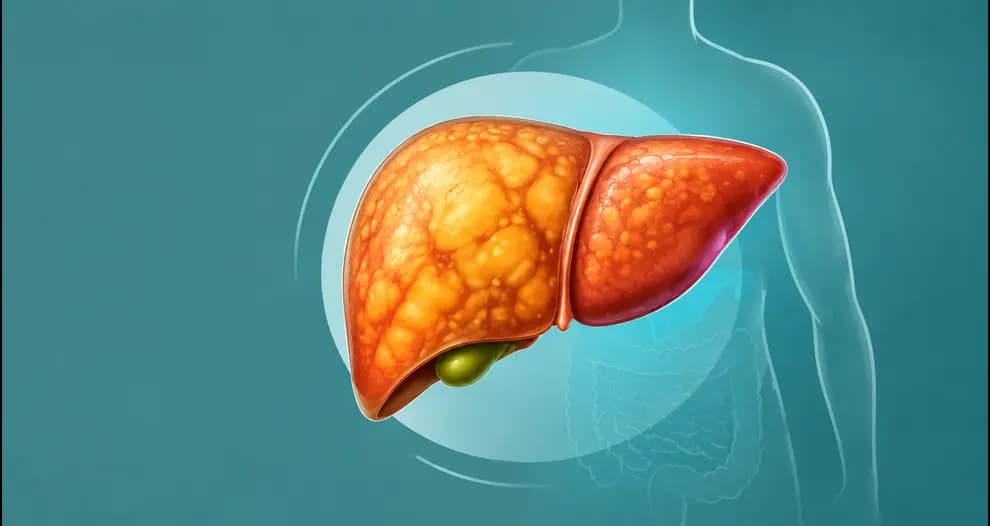
1. Fatty Liver (Steatosis)
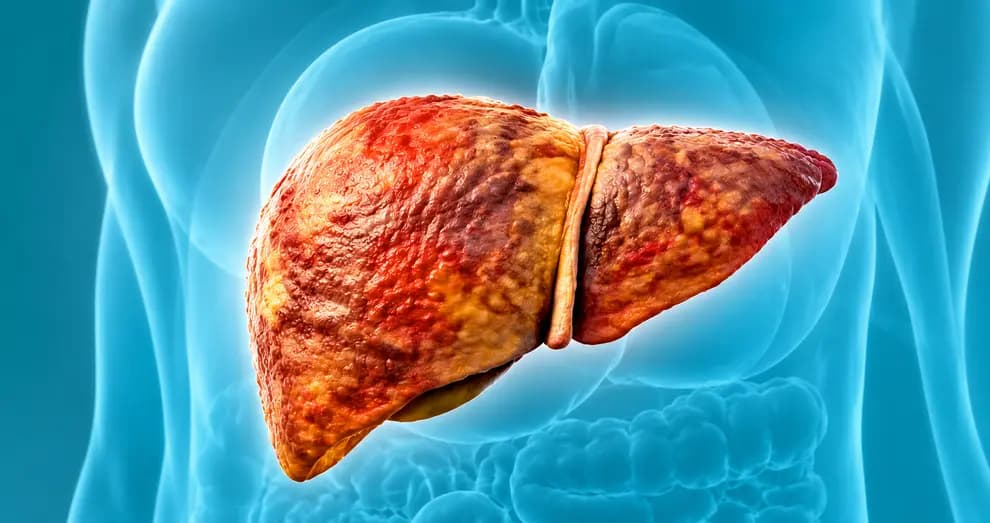
This is the earliest stage, where fat accumulates inside liver cells as the liver processes alcohol.
- Symptoms: Usually none.
- Outlook: Can often be reversed with complete alcohol abstinence.
2. Alcoholic Hepatitis
Continued alcohol consumption can cause inflammation and injury to liver cells, leading to alcoholic hepatitis.
- Symptoms: Jaundice, abdominal pain, loss of appetite and fever.
- Outlook: Mild cases may improve with abstinence, while severe cases can be life-threatening.
3. Fibrosis
Repeated liver injury leads to the gradual buildup of scar tissue, affecting normal liver function.
- Symptoms: Often none in the early stages.
- Outlook: Progression can slow down or stop with complete alcohol abstinence.
4. Cirrhosis
This is an advanced stage characterised by widespread, largely permanent scarring. In Cirrhosis the scar tissue obstructs blood flow through the liver and affects its ability to function.
- Symptoms: Fluid accumulation in the abdomen (ascites), internal bleeding and confusion.
- Outlook: Existing scarring is largely irreversible, but treatment can help manage complications and prevent further damage.
Early Warning Signs You Should Not Ignore
Most people with early-stage alcoholic liver disease feel fine, which is why many cases go undetected until damage is advanced. However, certain signs warrant a medical check-up, especially if you drink regularly or heavily.
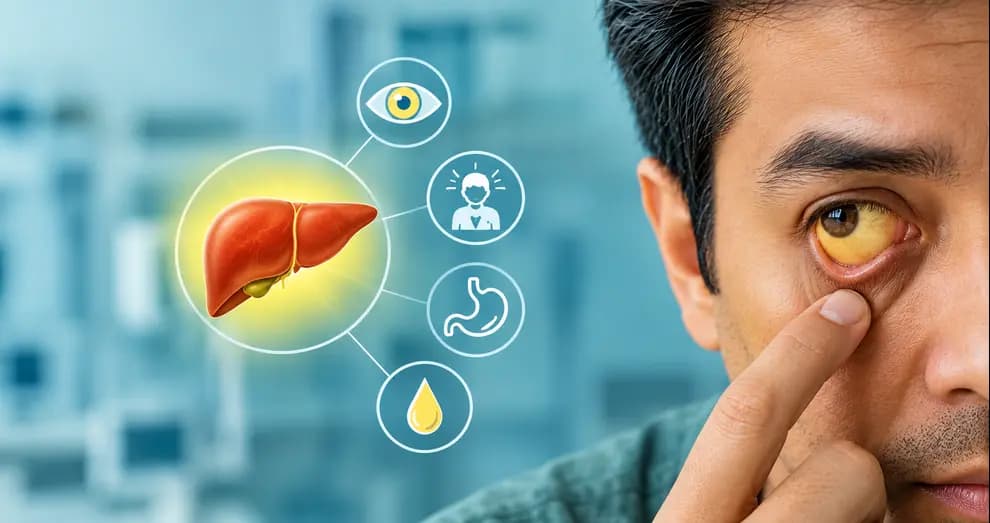
Fatigue and weakness that lasts weeks, abdominal bloating or pain, nausea, and appetite loss are common early signals. You may also notice jaundice, a yellowing of the skin, eyes, and urine, which indicates your liver is not filtering bilirubin properly. Persistent itching, swelling in the legs or abdomen, and bruising more easily than usual also suggest liver strain.
If you vomit blood, pass black or tar-coloured stools, or become confused or drowsy without reason, seek emergency care immediately, as these are signs of decompensation (acute liver failure). Don't assume your symptoms are minor or will pass; alcohol's damage accumulates silently. A visit to your gastroenterologist now can reveal whether your liver needs intervention before complications take hold.
How Doctors Diagnose Alcoholic Liver Disease
Diagnosis combines your medical history, physical examination, and laboratory or imaging tests to determine whether you have liver damage and how severe it is. Your doctor will ask about your drinking habits, how long you've been drinking heavily, and whether family members have had liver disease.
Blood tests measure liver enzymes (AST, ALT), bilirubin levels, and albumin to assess how well your liver is working. The AST-to-platelet ratio index (APRI) helps estimate the degree of fibrosis without a biopsy. Ultrasound or CT imaging shows whether your liver is enlarged, fatty, or scarred, and checks for cirrhosis-related complications.
In some cases, your gastroenterologist may recommend a liver biopsy, a small tissue sample taken with a needle, to confirm the diagnosis and stage the disease precisely. FibroScan (transient elastography) is a non-invasive ultrasound technique that measures liver stiffness and estimates fibrosis. These tools help your doctor create a personalised care plan and monitor your progress if you stop drinking or begin treatment.


Treatment and care: what actually works
1. Stop alcohol, with support
Abstinence is the treatment that matters most. It improves prognosis at any stage and can reverse liver changes. Alcohol use disorder is treated alongside the liver, with behavioural treatment and withdrawal medicines chosen with poor liver function in mind. Do not stop abruptly or self-medicate for withdrawal; do it under medical supervision.
2. Nutrition
Malnutrition is common in ALD, and guidance on severe hepatitis stresses nutritional management and vitamin deficiencies. A dietitian-led plan is part of treatment, not an extra.
3. Severe alcoholic hepatitis
Doctors score severity with the Maddrey function (32 or above) or MELD (above 20). In suitable patients, AASLD guidance says prednisolone 40 mg a day should be considered, with a Lille score check at day 7 to decide whether to continue to 28 days. Untreated infection rules steroids out. Severe hepatitis carries mortality of up to 30% at 28 days, which is why hospital admission matters.
4. Complications
Fluid in the abdomen, variceal bleeding and confusion (hepatic encephalopathy) need monitored hospital care with ICU access. Our ICU and ICCU run round the clock.
5. Transplant
AASLD advises that patients with decompensated cirrhosis, Child-Turcotte-Pugh class C or MELD-Na of 21 or more should be referred for transplant assessment, and selection should not rest solely on a fixed period of abstinence. Around 30% relapse within two years after transplant, so addiction care continues afterwards. Transplants are done at dedicated transplant centres; your gastroenterologist can tell you when to start that conversation.
Preventing Damage: What You Can Do Today
The most effective way to prevent or slow alcoholic liver disease is to reduce alcohol consumption or stop drinking altogether. Even modest changes yield results: stopping heavy drinking can reverse fatty liver within weeks and arrest hepatitis progression within months if cirrhosis has not yet developed.
Your liver also needs nutritional support to heal. Ensure adequate intake of protein, vitamins (especially B vitamins, folate, and thiamine), and minerals like zinc, alcohol depletes these, worsening liver damage. If you struggle with alcohol dependence, ask your doctor about counselling, support groups, or medications that reduce cravings and help you stay sober.
Routine screening is vital if you drink regularly or have a family history of liver disease. Annual check-ups with blood work and imaging catch early-stage disease before symptoms appear, when reversal is most likely. Manage other risk factors too: control hepatitis B and C infections, limit weight gain (fatty liver worsens with obesity), and avoid over-the-counter painkillers like paracetamol at high doses, as they strain the liver further. Small, consistent changes today protect your liver for decades to come.
Liver Care at Rameswara Nursing Home
Rameswara Nursing Home provides liver care through its gastroenterology team, emergency services and in-house diagnostic facilities. Patients can begin with a consultation at the Gastro OPD, where four consultants are available Monday to Saturday:
- Dr. Debasis Datta
- Dr. Deepak Shah
- Dr. Soumik Kr. Majhi
- Dr. Subhodip Laskar
Key facilities and patient support include:
- 24/7 emergency care: Emergency services, ICU, ambulance and on-call gastroenterology support.
- Transparent billing: Published tariffs, itemised admission estimates and cashless insurance support.
- Outstation patients: WhatsApp assistance for appointment and travel planning.
- Accreditation and experience: NABH accreditation and over 35 years of service.
Patients requiring liver transplantation can be referred to a dedicated transplant centre.
Conclusion
Alcoholic liver disease is one of the few serious illnesses where the most powerful treatment is free and available at the start: stopping alcohol while the liver can still recover. The rest of care, from blood tests and ultrasound to fibrosis checks, endoscopy and ICU support, exists to find the problem early and manage the complications if it is late. If you drink regularly, or someone you love does, do not wait for jaundice. A liver check and an honest conversation with a gastroenterologist cost little compared with a cirrhosis admission. The team at Rameswara Nursing Home is available on the 24/7 helpline and the Monday to Saturday OPD.
If you drink heavily or are concerned about liver health, don't delay, contact a gastroenterologist to discuss screening and prevention strategies. Early intervention changes outcomes and protects your future health.
Medical disclaimer This article is for general information and is not a substitute for professional medical advice, diagnosis or treatment. Always consult a qualified doctor about your own condition. In an emergency, call +91 80176 06060 or your local emergency number.