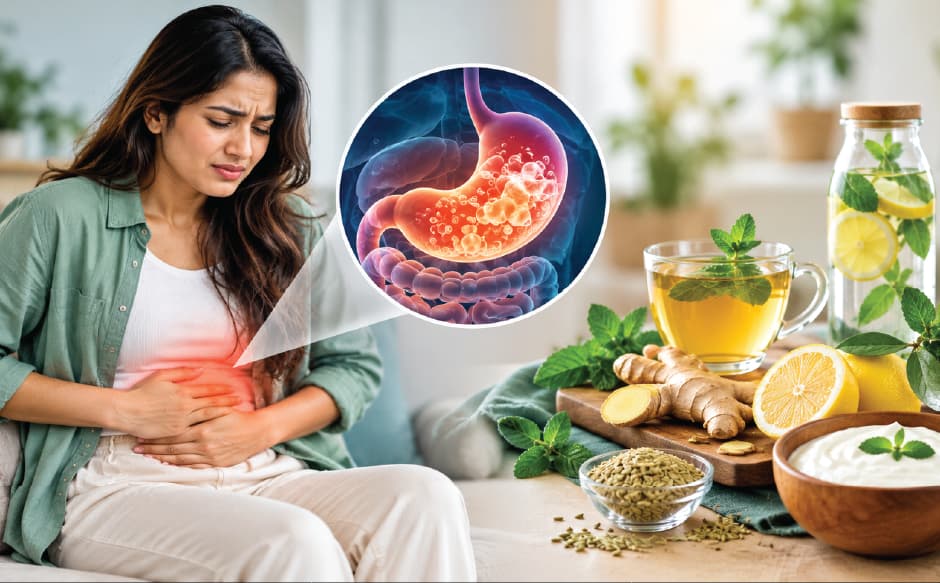

Probiotics are live beneficial bacteria that support your digestive health, boost immunity, and help your body absorb nutrients more efficiently. These microorganisms live naturally in your gut and can be obtained through fermented foods or supplements to maintain a balanced microbiome. Understanding how probiotics work and where to find them can help you make informed choices about your digestive wellness.
What Are Probiotics and How Do They Work?
Probiotics are living microorganisms, primarily bacteria and some yeasts, that benefit your health when consumed in adequate amounts. Your gut naturally contains trillions of microbes that form your microbiome, a complex ecosystem affecting digestion, immunity, and even mood. When this balance is disrupted by antibiotics, stress, or poor diet, probiotics help restore equilibrium by crowding out harmful bacteria and producing protective compounds. Think of your gut as a garden: probiotics are the beneficial plants that keep weeds under control. Your small and large intestines are where most of this microbial activity happens, with probiotics adhering to the intestinal wall and supporting the barrier that prevents harmful substances from entering your bloodstream. Common probiotic strains include Lactobacillus and Bifidobacterium, which are well-researched and widely available in fermented foods.
Key Benefits of Probiotics for Your Digestive System
Research from the National Center for Biotechnology Information shows that probiotics support several aspects of digestive health, though results vary by individual and strain. Probiotics help reduce bloating, gas, and irregular bowel movements by improving how your gut processes food and absorbs water. They strengthen your intestinal barrier, reducing inflammation and discomfort associated with conditions like irritable bowel syndrome. Beyond digestion, probiotics enhance immune function by promoting the production of beneficial antibodies and reducing harmful bacterial overgrowth. They also support the synthesis of certain B vitamins and improve lactose tolerance in people who struggle with dairy digestion. Additionally, emerging evidence suggests probiotics may influence mood and mental health through the gut-brain axis, though this research is still developing. Your microbiome's health directly influences your overall wellness, making probiotics a practical addition to a balanced lifestyle for many people.
Natural Food Sources of Probiotics Available in India
You can obtain probiotics from a variety of fermented foods that are readily available and affordable in India. Yogurt remains one of the most accessible sources, particularly Indian varieties like dahi and lassi, which contain live Lactobacillus cultures. Fermented vegetables such as pickles, when made traditionally without vinegar, provide diverse probiotic strains. Miso, tempeh, and other soy-based fermented products are increasingly available in Indian cities and offer strong probiotic benefits. Here are the top natural sources you can easily incorporate:
| Food Source | Probiotic Strains | Availability in India | Best Way to Consume |
|---|---|---|---|
| Dahi (yogurt) | Lactobacillus, Streptococcus | Very high | Plain or with meals |
| Lassi | Lactobacillus | Very high | As a beverage |
| Fermented pickles | Mixed bacteria | High | Small portions with meals |
| Idli batter | Lactobacillus, Leuconostoc | High | Traditional preparation |
| Kombucha | Acetobacter, Gluconacetobacter | Increasing | As a drink |
| Tempeh | Rhizopus mold, bacteria | Moderate | Cooked in curries |
Tradditional Indian fermentation methods like those used for dosa, idli, and kanji naturally produce probiotics without added supplements. The key is choosing products with minimal processing and no pasteurization, which kills the live cultures. Store-bought versions labeled 'live and active cultures' ensure you're getting viable probiotics.
How Effective Are Probiotics for Common Gut Issues?
Evidence for probiotic effectiveness varies depending on the specific condition and strain used. According to research published through the World Gastroenterology Organisation, probiotics show modest but meaningful benefits for certain digestive concerns. For diarrhea, particularly antibiotic-associated or traveler's diarrhea, specific strains like Saccharomyces boulardii and Lactobacillus rhamnosus have demonstrated effectiveness in clinical trials. For irritable bowel syndrome, probiotics may reduce bloating and abdominal pain, though individual response varies significantly. However, probiotics are not a cure for serious conditions like inflammatory bowel disease or celiac disease; they work best as a complementary tool alongside medical treatment. The effectiveness depends on several factors: the specific strain, the dose, your individual microbiome composition, your diet, and how long you take them consistently. Some people notice improvement within weeks, while others may need 6-8 weeks. It's important to have realistic expectations and consult with a healthcare provider if you have a diagnosed digestive condition, as some strains may not be suitable for certain situations.


When Gut Symptoms Need More Than a Probiotic
This is the section most probiotic-focused articles avoid, because it doesn't sell a product. But it's the most clinically important part of this topic.
See a doctor rather than self-treating with probiotics if you notice:
-
Blood in stool, or black/tarry stools
-
Unintentional weight loss alongside digestive symptoms
-
Symptoms that wake you up at night
-
Bowel habit changes lasting more than two to three weeks
-
A family history of colorectal cancer or inflammatory bowel disease alongside new symptoms
-
Fever with abdominal pain
None of these are things a probiotic is designed to fix, and treating them as a "gut health" problem to self-manage can delay a diagnosis that actually matters.
Probiotics vs a Professional Gut-Health Evaluation
Not sure whether you need a probiotic or should see a gastroenterologist? The table below compares what each option can realistically offer, when it is appropriate, and what to expect in terms of cost, time, and risk.
| Probiotics (food/supplement) | Gastroenterologist evaluation | |
|---|---|---|
| Best for | General maintenance, antibiotic-course support, mild IBS symptoms | Persistent, worsening, or red-flag symptoms |
| Time to benefit | Weeks, if it works at all for your case | Diagnosis-driven, often faster resolution once cause is identified |
| Risk | Low for healthy adults | Low, and the only route to an actual diagnosis |
When Gut Problems Need More Than Probiotics
Probiotics may support a healthy gut microbiome, but persistent bloating, abdominal pain, diarrhoea, constipation, unexplained weight loss, blood in the stool, or recurring digestive symptoms may require proper medical evaluation. Rameswara Nursing Home in Ultadanga, Kolkata, offers dedicated Gastroenterology care for patients who need more than dietary changes or over-the-counter probiotic supplements.
The hospital's 50-bed NABH-accredited facility brings consultation and key investigations together, including endoscopy, colonoscopy, ultrasound (USG), and liver function tests.
Patients can seek specialist advice when:
-
Digestive symptoms persist despite probiotics or dietary changes
-
Symptoms repeatedly return or interfere with daily life
-
There is blood in the stool, unexplained weight loss, persistent vomiting, severe abdominal pain, or difficulty swallowing
-
A doctor recommends further evaluation through endoscopy, colonoscopy, or imaging
With an 8-bedded ICU and cashless insurance/TPA support, the hospital can also manage patients who require a higher level of care.
If your gut symptoms are continuing despite probiotics, speak with a gastroenterologist rather than relying on supplements alone.
Conclusion
Probiotics are a genuinely useful tool for a specific, well-defined set of gut-health situations, supporting recovery during a course of antibiotics, offering modest relief for some IBS symptoms, and serving as a reasonable general-wellness habit through everyday foods like dahi and chaas.
What they are not is a universal fix for every digestive complaint, and treating them as one can mean months spent guessing while an underlying issue goes undiagnosed. If your gut symptoms are new, persistent, or come with any red-flag signs, the more useful next step isn't a different probiotic brand, it's a proper evaluation.
Rameswara Nursing Home's Gastroenterology department in Kolkata offers exactly that kind of stepwise, in-house work-up for patients across India and abroad who want an answer rather than another guess.
Chat with our care assistant on the Rameswara Nursing Home website, or book a Gastroenterology consultation directly, we'll help you figure out the right next step.
Medical Disclaimer: This article is for general informational purposes only and does not constitute medical advice, diagnosis, or treatment. Probiotic strains, doses, and outcomes vary by individual; consult a qualified gastroenterologist or physician before starting any supplement, especially if you have an existing health condition, are immunocompromised, pregnant, or caring for a child. Rameswara Nursing Home's medical team is available for personalized evaluation and treatment planning.