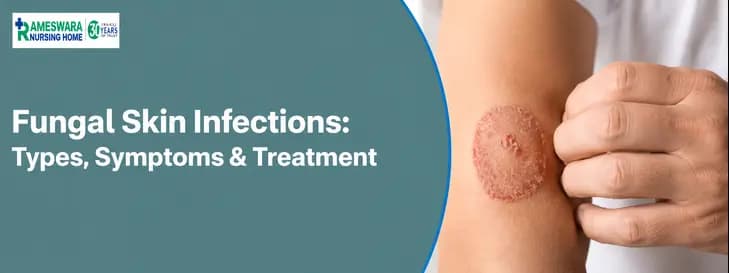

Fungal skin infections are among the most common skin conditions affecting people worldwide, including across India. From itchy ringworm to stubborn athlete's foot, these infections occur when fungi colonise the outer layers of skin, nails, or hair. While they are usually not serious, they can be uncomfortable and persistent if left untreated. Understanding the types, symptoms, and treatment options helps you take control of your skin health and know when to reach out to a dermatologist.
This guide walks through the types, symptoms, causes, diagnosis, and treatment of fungal skin infections, along with where to seek care if home remedies and over-the-counter creams aren't cutting it.
What Are Fungal Skin Infections
Fungal skin infections occur when microscopic fungi invade the outermost layer of your skin, causing inflammation, itching, and discomfort. Unlike bacterial infections, fungal infections thrive in warm, moist environments and spread through contact with contaminated surfaces or other people. The fungi responsible are naturally present in our environment but typically do not cause problems when the skin barrier is intact.
However, when conditions favour growth, such as heat, humidity, poor hygiene, or a weakened immune system, these microorganisms can multiply rapidly. Fungal infections are not contagious in the same way a cold is, but direct skin-to-skin contact or shared items like towels, shoes, or gym equipment can transfer the infection.
The good news is that with proper identification and treatment, most fungal skin infections clear up within weeks to a few months. A dermatologist can distinguish fungal infections from other skin conditions through examination and, if needed, laboratory tests, ensuring you receive the right treatment plan tailored to your specific infection.
Types of Fungal Skin Infections You Should Know
Fungal infections are usually named after the body part they affect rather than the fungus itself. Here are the six types seen most often in Indian dermatology clinics:
1. Ringworm (Tinea Corporis)
A round or oval patch with a raised, scaly, red border and a clearer centre, hence the misleading name, since no worm is involved. It commonly appears on the arms, legs, neck, or trunk and spreads outward slowly.
2. Athlete's Foot (Tinea Pedis)
Peeling, cracking, and itching between the toes, sometimes with a burning sensation on the soles. It's picked up easily in damp communal areas like locker rooms, swimming pools, and shared bathrooms.
3. Jock Itch (Tinea Cruris)
An itchy, reddish-brown rash in the groin, inner thighs, or buttocks with a well-defined, slightly raised edge. It's more common in people who sweat heavily or wear tight underwear for long hours, and often travels alongside athlete's foot.
4. Tinea Versicolor
Small, discoloured patches, lighter or darker than the surrounding skin, usually on the chest, back, neck, or upper arms. Caused by an overgrowth of Malassezia yeast that normally lives on the skin, it's more of a cosmetic concern than an itchy one, though it can recur with heat and humidity.
5. Cutaneous Candidiasis
A red, moist, sometimes burning rash in skin folds, under the breasts, in the armpits, around the abdomen, or in nappy areas in infants. It's caused by Candida yeast and tends to flare in people with diabetes, obesity, or prolonged antibiotic use.
6. Fungal Nail Infection (Onychomycosis)
Thickened, discoloured, or brittle nails, usually on the toes. It develops slowly, often years after an untreated case of athlete's foot, and is notoriously one of the hardest fungal infections to clear completely without proper oral or laser therapy.
| Type | Common Site | Typical First-Line Treatment |
|---|---|---|
| Ringworm (Tinea Corporis) | Arms, legs, trunk | Topical antifungal cream, 2–4 weeks |
| Athlete's Foot (Tinea Pedis) | Between toes, soles | Topical antifungal + foot hygiene |
| Jock Itch (Tinea Cruris) | Groin, inner thighs | Topical antifungal, loose cotton clothing |
| Tinea Versicolor | Chest, back, neck | Antifungal shampoo/lotion (selenium sulfide, ketoconazole) |
| Cutaneous Candidiasis | Skin folds | Topical antifungal + keeping area dry |
| Onychomycosis (Nail Fungus) | Toenails, fingernails | Oral antifungal or nail lacquer, 6–12 weeks+ |
Common Symptoms of Fungal Skin Infections
Symptoms vary by type and location, but certain patterns show up again and again:
- Itching that worsens with sweating, heat, or at night
- A ring-shaped or well-defined patch with a raised, scaly border
- Redness, flaking, or peeling skin, especially in folds or between toes
- Patches that are lighter or darker than surrounding skin (common in tinea versicolor)
- A burning or stinging sensation, particularly in moist areas
- Thickened, discoloured, or crumbly nails (in onychomycosis)
- Mild odour in cases of athlete's foot or prolonged candidiasis
It's worth noting that fungal infections can look deceptively similar to eczema, psoriasis, or bacterial infections, which is exactly why self-diagnosis from a photo search often leads to the wrong cream and a longer recovery time.


What Causes Fungal Skin Infections? (Risk Factors)
Anyone can develop a fungal skin infection, but certain factors clearly raise the risk:
- Hot, humid weather and prolonged sweating
- Tight or synthetic clothing that traps moisture against the skin
- Sharing towels, combs, footwear, or gym equipment
- Close contact with an infected person, pet, or livestock
- Walking barefoot in public showers, pools, or locker rooms
- Diabetes, obesity, or a weakened immune system
- Excessive or prolonged use of steroid creams without medical guidance
- Occupations involving long hours in wet gloves, boots, or uniforms
Fungal Skin Infection Treatment Options
The right treatment depends on the type of fungal infection, its severity, and the area of the body affected. Below are the most commonly recommended treatment options that help eliminate the infection and reduce the risk of recurrence when used correctly.
Topical Antifungal Treatment
Most localised infections, ringworm, athlete's foot, jock itch, mild candidiasis, respond well to topical antifungal creams, gels, or powders such as clotrimazole, terbinafine, or luliconazole, applied consistently for 2 to 4 weeks. It's important to continue treatment for a week or two after the visible rash clears, since stopping too early is one of the most common reasons infections return.
Oral Antifungal Medication
Widespread, recurrent, or nail and scalp infections often need oral antifungal tablets such as terbinafine, itraconazole, or fluconazole, prescribed and monitored by a dermatologist. Nail infections in particular can require 6 to 12 weeks of oral treatment, sometimes longer, since nails grow slowly.
Fungal Skin Infection Prevention Tips
- Keep skin dry, especially in folds, underarms, and between toes, after bathing or sweating
- Wear breathable, loose-fitting cotton clothing, particularly in humid weather
- Avoid sharing towels, combs, footwear, or razors with others
- Change out of sweaty gym clothes and wet socks as soon as possible
- Wash and sun-dry towels, bedsheets, and inner-wear regularly during an active infection
- Avoid unsupervised steroid or combination creams for undiagnosed rashes
- Manage underlying conditions like diabetes, which can make infections harder to control.
When Should You See a Dermatologist?
Home care and OTC antifungals work for many mild cases, but it's time to consult a dermatologist if:
- The rash hasn't improved after 2 weeks of a topical antifungal
- The infection keeps returning after apparently clearing up
- It's spreading rapidly, covers a large area, or involves the scalp or nails
- You've been using a steroid or "multi-action" cream for an unconfirmed rash
- You have diabetes or a weakened immune system
- There's oozing, pain, or signs of a secondary bacterial infection
Why Choose Rameswara Nursing Home for Fungal Skin Infection Treatment
Successful treatment of a fungal skin infection starts with an accurate diagnosis, not just symptom relief. At Rameswara Nursing Home, Ultadanga, Kolkata, our dermatology team focuses on identifying the exact cause of the infection and creating a treatment plan that helps prevent recurrence.
Why patients trust our dermatology team:
- Experienced dermatologists, for personalised evaluation and treatment.
- Accurate diagnosis with clinical assessment and KOH testing when required to confirm the fungal infection.
- Evidence-based treatment plans, including topical and oral antifungal medications based on the infection type, severity, and patient profile.
- Integrated multispecialty care with physician support for patients with diabetes or other medical conditions that can increase the risk of recurrent fungal infections.
- Convenient care with transparent pricing, cashless insurance and TPA facilities, and streamlined consultations for outstation and NRI patients.
Our goal is not only to clear the current infection but also to address the underlying factors that reduce the chances of it returning.
Chat with our care assistant on the Rameswara Nursing Home for quick guidance or to book a dermatology consultation at our Ultadanga, Kolkata facility.
Medical Disclaimer: This article is for general informational purposes only and does not constitute medical advice, diagnosis, or treatment. Fungal skin infections can resemble other skin conditions, and self-treatment based on this content alone is not recommended. Please consult a qualified dermatologist or physician, such as the team at Rameswara Nursing Home, for an accurate diagnosis and a treatment plan suited to your specific condition.