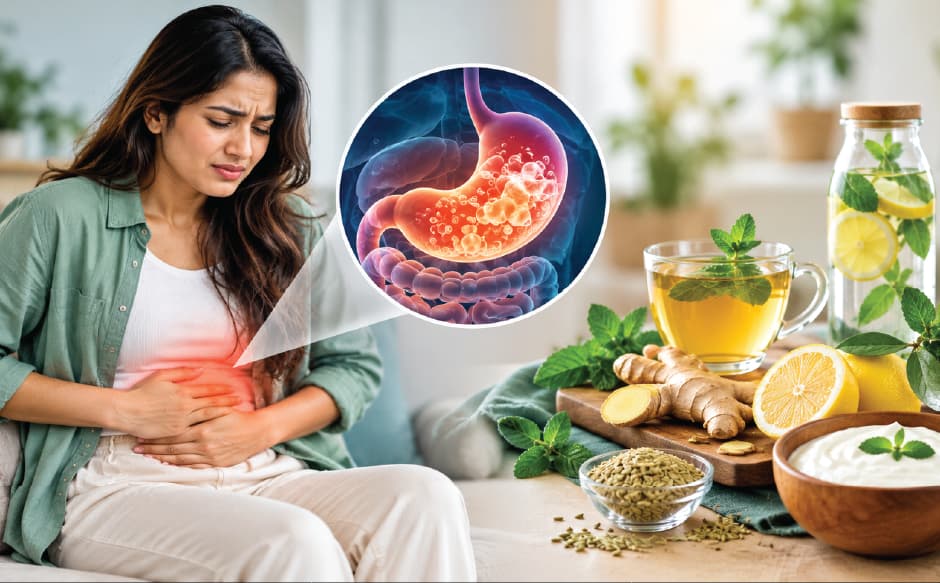

Constipation affects millions of people worldwide, yet most cases respond well to simple lifestyle changes before any medication becomes necessary. Understanding what triggers irregular bowel movements and how to address them naturally can help you restore digestive comfort without unnecessary interventions. This guide walks you through evidence-based natural remedies and explains the red flags that signal the need for professional medical evaluation.
What Causes Constipation?
Constipation is rarely caused by one thing. It's usually an overlap of daily habits and, sometimes, an underlying condition:
- Low fiber intake: Heavily refined, low-vegetable diets slow stool transit
- Inadequate water intake, especially when fiber is increased without matching fluids
- Sedentary routines: Desk jobs and long commutes reduce gut motility
- Repeatedly ignoring the urge to pass stool due to a busy schedule
- Certain medications: Iron and calcium supplements, opioid painkillers, some antacids and antidepressants
- Pregnancy and hormonal shifts
- Underlying conditions: Hypothyroidism, diabetes, irritable bowel syndrome (IBS), Parkinson's disease
- Aging: Reduced gut motility and muscle tone in the pelvic floor
Because so many of these overlap, two people with identical symptoms can have completely different root causes, which is also why the same home remedy doesn't work equally well for everyone.
Immediate At-Home Relief: What Actually Works
For occasional, mild constipation, most gastroenterologists, including Cleveland Clinic's published guidance, recommend starting with these evidence-backed steps before reaching for medication:
| Remedy | Why It Helps | Practical Tip |
|---|---|---|
| Extra water (2–4 glasses/day) | Softens stool and helps fiber move through the gut | Spread intake across the day rather than drinking it all at once |
| High-fiber foods | Adds bulk and speeds up intestinal transit | Increase gradually over 1–2 weeks to avoid bloating and gas |
| Daily physical activity | Stimulates natural muscle contractions in the colon | Even a 20–30 minute walk after meals helps |
| Warm fluids in the morning | Triggers the gastrocolic reflex that prompts a bowel movement | Try warm water or herbal tea on an empty stomach |
| Toilet posture | A slight squat angle straightens the rectum for easier passage | Use a small footstool to raise your knees above hip level |
| Fixed daily routine | Trains the bowel to respond at a consistent time | Try 20–30 minutes after breakfast, when the gut is most active |
When Home Remedies Aren't Enough: Laxatives and OTC Options
If diet and lifestyle changes don't bring relief within a week or two, over-the-counter options can help, but they are not interchangeable, and picking the wrong type for your situation is one of the most common mistakes people make.
| Type | Examples | How It Works | Best Used For |
|---|---|---|---|
| Bulk-forming | Psyllium husk, isabgol | Absorbs water to add bulk and soften stool | Mild, occasional constipation, needs plenty of water |
| Osmotic | Lactulose, polyethylene glycol, milk of magnesia | Draws water into the intestine to soften stool | Moderate constipation; gentler for longer-term use |
| Stimulant | Bisacodyl, senna | Triggers intestinal muscle contractions directly | Short-term, occasional use only |
| Stool softener / lubricant | Docusate, mineral oil | Eases stool passage without stimulating the bowel | Post-surgery, hemorrhoids, or straining-related pain |
Stimulant laxatives are the ones most frequently misused. Using them regularly for weeks or months can make the colon less responsive on its own over time, one of several reasons chronic constipation should be evaluated rather than self-managed indefinitely with the same tablet.


Red Flags: When Constipation Needs Medical Attention
Most constipation is manageable at home. But certain signs mean it's time to stop self-treating and see a doctor, ideally a gastroenterologist:
-
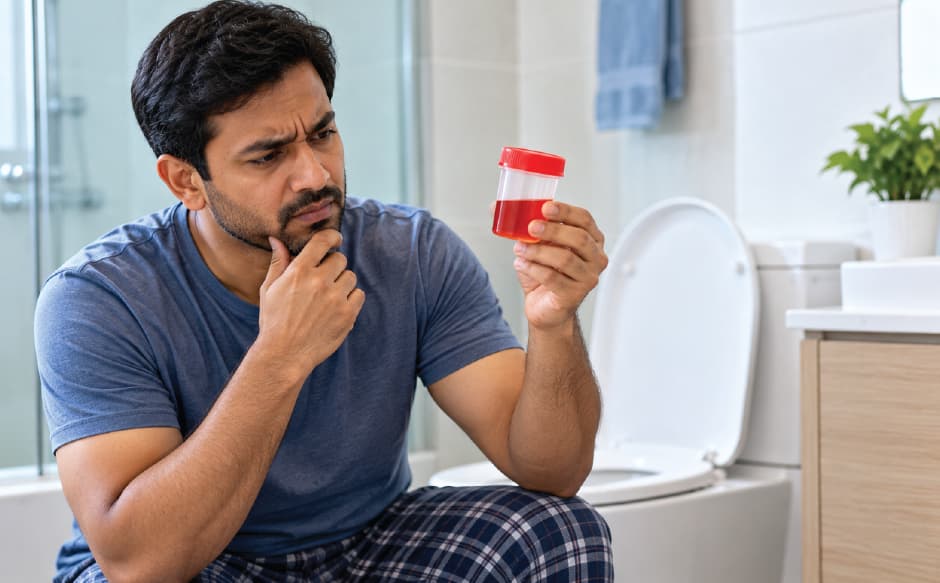
Blood in the stool or on toilet paper
-
Unintentional weight loss alongside bowel changes
-
Constipation lasting more than three weeks despite diet, fluids, and exercise
-
Severe abdominal pain, bloating, or a swollen abdomen
-
Alternating constipation and diarrhea
-
A new bowel habit change after age 50, or a family history of colorectal cancer
-
Complete inability to pass stool or gas, this needs urgent same-day care, as it can indicate a bowel obstruction
How Doctors Diagnose the Underlying Cause
A gastroenterology consultation for constipation typically involves a structured, step-by-step process rather than a single test:
-
A detailed history: diet, fluid intake, medications, bowel pattern, and family history
-
Physical and digital rectal examination to rule out local causes like fissures or a rectal mass
-
Blood tests to check for thyroid dysfunction, diabetes, or calcium imbalance
-
Stool tests if infection or malabsorption is suspected
-
Colonoscopy or sigmoidoscopy, reserved for red-flag symptoms, patients over 45–50, or those with a family history of colorectal disease
-
Anorectal function tests in select chronic, treatment-resistant cases
Mistakes People Commonly Make While Treating Constipation
In clinical practice, a handful of patterns show up again and again, and most of them are avoidable:
-
Increasing fiber intake sharply without increasing water, this often worsens bloating and constipation rather than fixing it.
-
Repeating the same stimulant laxative for months instead of addressing the underlying cause.
-
Ignoring the urge to pass stool repeatedly due to work schedules, which over time reduces rectal sensitivity to the natural signal.
-
Treating constipation in isolation without checking for an underlying condition like hypothyroidism or diabetes.
-
Assuming all fiber behaves the same way, soluble fiber (oats, isabgol) softens stool, while insoluble fiber (wheat bran, vegetable skins) adds bulk; a constipation-specific mix matters more than "more fiber" alone
Gastroenterology Care at Rameswaram Healthcare, Kolkata
Rameswara Nursing Home in Ultadanga, Kolkata, is a NABH-accredited, 50-bed hospital with a dedicated Gastroenterology department. The team follows a step-by-step approach to diagnosing and managing digestive conditions, from common constipation and IBS to problems requiring endoscopic evaluation.
The department is supported by senior consultants Dr. Debasis Datta, Dr. Deepak Shah, Dr. Soumik Kr. Majhi, and Dr. Subhodip Laskar, with key diagnostic services available under one roof:
-
Endoscopy and colonoscopy
-
Ultrasonography (USG)
-
Liver function tests
-
8-bedded ICU for patients requiring critical care
-
Cashless insurance and TPA support
The Gastroenterology OPD operates Monday to Saturday, making it easier to seek timely evaluation when constipation or other digestive symptoms persist rather than continuing with self-treatment.
Conclusion
Constipation is common enough that it's easy to dismiss, nearly 1 in 5 Indian adults deals with it, and most cases genuinely do resolve with more water, more fiber, more movement, and a bit of patience.
But "common" doesn't mean "never serious." The line between a diet fix and a doctor's visit is fairly clear once you know what to watch for: how long it's lasted, whether there are red-flag symptoms, and whether home remedies and OTC options have actually been given a fair, correctly-used try.
If you've ticked those boxes and nothing has changed, a gastroenterology consultation, not another home remedy search, is the next right step.
Chat with our medical assistant on WhatsApp, or contact the Gastroenterology department directly, to get guidance on the right next step for your specific symptoms.
Medical Disclaimer: This article is intended for general informational purposes only and does not constitute medical advice, diagnosis, or treatment. Always consult a qualified physician or gastroenterologist regarding any health concern, before starting any new treatment, medication, or supplement, and before making changes based on information in this article. In case of severe pain, rectal bleeding, or an inability to pass stool or gas, seek emergency medical care immediately.